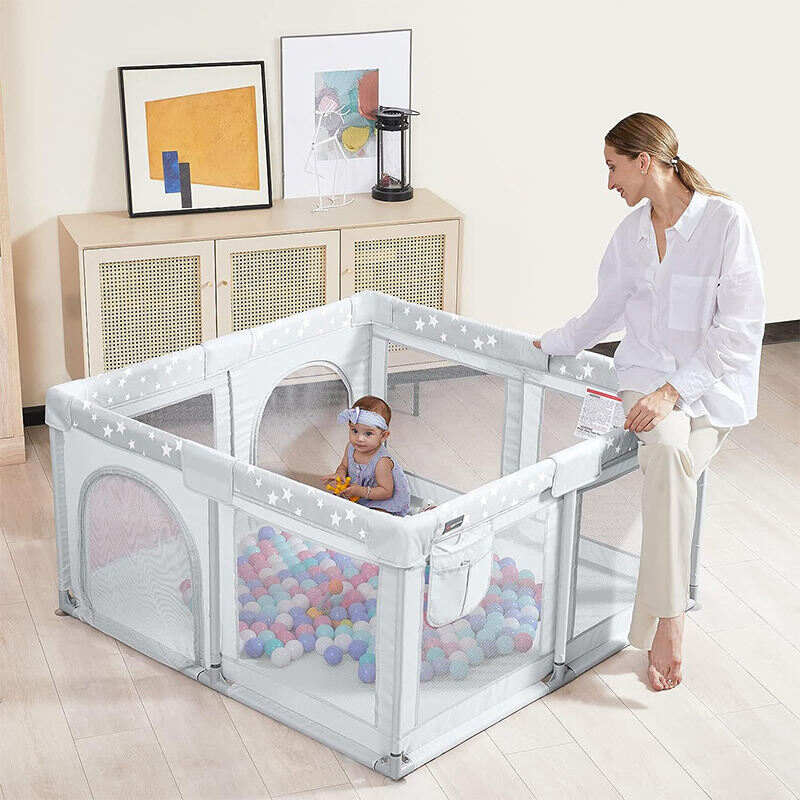
Every new parent has the same problem: How do you keep your baby safe while getting things done? The baby playpen is a big question mark for many: Is it really needed? Is it safe? This is your complete guide for choosing and using a baby playpen in 2025. We will answer your main questions right away.
Are Playpens Good for Babies?
Yes, baby playpens have great benefits for both babies and parents. Simply put, a playpen is a safe space where your baby can explore. You do not have to worry about them getting into trouble.
Safety First, Peace of Mind: A playpen acts as a strong wall against falls, cords, or eating bad things. It allows parents to step away for a few minutes. You do not have to be stressed all the time. Imagine a typical day for a parent: there are dishes to be washed, laundry to be folded, and meals to be prepared, all while ensuring that the baby is safe and attended to.
Builds Independent Play Skills: A playpen teaches your baby to play by themselves without help all the time. This is a key step in growing their focus and problem-solving skills.
Starts Learning Boundaries: Babies learn that the world has safe boundaries. This sets the stage for learning rules and good habits later on.
Are Playpens Necessary?
To be strict, a playpen is not a must-have for parenting, they undeniably offer an added layer of safety for children in homes where potential hazards cannot be completely eliminated.
If you have a better-designated area in your home for your child to play safely, or if you have enough manpower to watch your child around the clock, you don’t necessarily need to buy a playpen.
No law says you need a playpen, but the safety and ease they offer are worth a lot. In modern parenting, their value is in filling a gap that older safety steps, like baby gates, cannot fill.
A baby gate keeps your baby in a room. A playpen gives 100% safety in one small, clear area. This means you can cook in the kitchen while your baby plays safely nearby, staying in your view. Also, for homes with pets or older kids, a playpen gives the baby a safe spot away from others.
Top Baby Playpens of 2025
Foldable Playpen
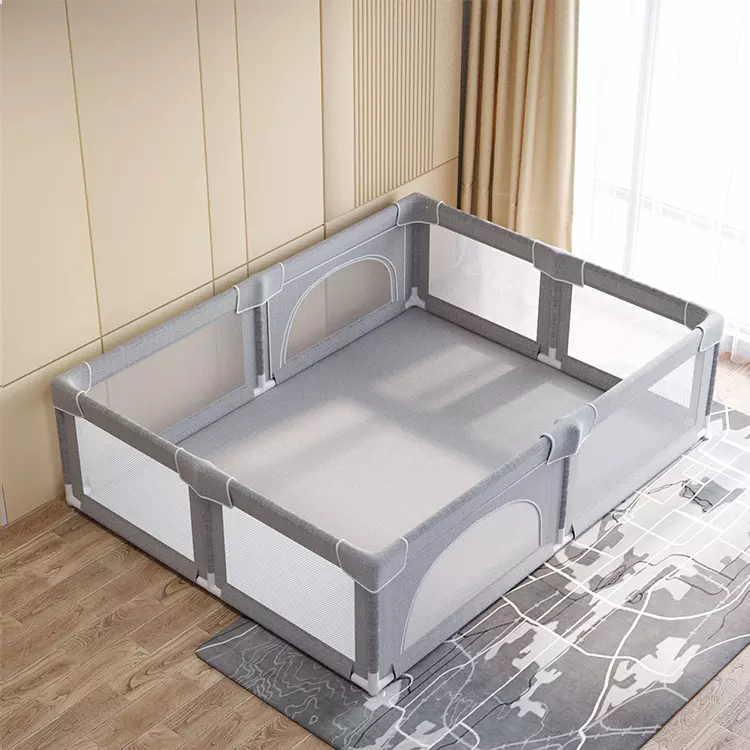
Designed with portability and ease of use in mind, this foldable design allows for effortless storage and transportation, making it ideal for travel or visiting friends and family. The designer took into account the busyness and tight space of modern parents when designing it. It can be easily folded in a few minutes and placed in a corner, under the bed, or on the sofa.
| Product Features | Foldable design The bottom has 8 suction cups with strong suction power There are 2 entrances for babies to enter and exit Made of baby-safe material, no fluorescent agent |
| Advantages | 1. Convenient for travel and storage 2. Easy to set up and fold down 3. Offers versatility for indoor and outdoor use 4. Durable construction ensures long-lasting use |
| Disadvantages | 1. May not be as spacious as non-foldable playpens 2. Lack of additional features like a bassinet or changing table |
Square Large Baby Playpen
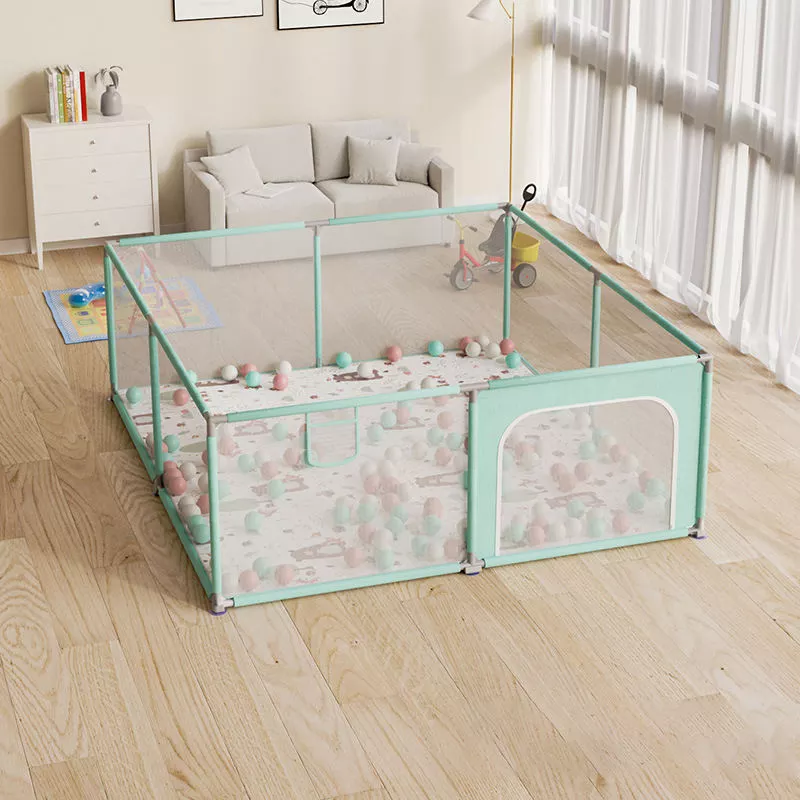
With its square shape and ample interior space, this large infant playpen provides plenty of room for babies to move around freely. The area is spacious enough to place a variety of interesting toys and allow your baby to engage in various activities, even for warm parent-child activities.
| Product Features | Large size Stable suction cup design Spacious zipper door With side storage pockets |
| Advantages | 1. Provides plenty of room for babies to play and explore 2. Durable construction ensures long-lasting use 3. A square shape allows for easy placement in various room configurations 4. The storage bag conveniently stores snacks and toys |
| Disadvantages | 1. May take up more space compared to smaller playpens 2. Assembly and disassembly may require additional effort |
Playpen with Bassinet
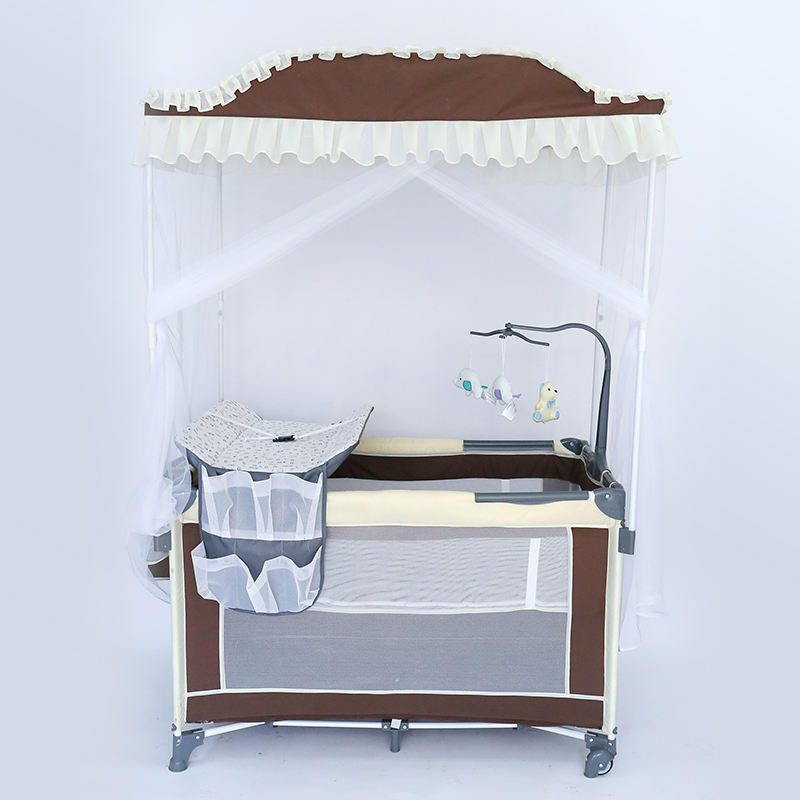
Combining the functionality of a playpen with the convenience of a bassinet, this product provides a safe and comfortable sleep environment for newborns and infants. The bassinet attachment allows babies to sleep at a higher level, making it easier for parents to reach them for feeding or soothing during the night.
As the baby grows, the playard can be removed, transforming the playpen into a spacious play area for active play and exploration.
| Product Features | With a detachable bassinet Bassinet attachment with a soft and comfortable mattress With a breathable mosquito net With a changing table |
| Advantages | 1. Provides a comfortable sleep environment for infants 2. Allows for easy access to the baby for feeding or soothing during the night 3. Offers versatility as a playpen and bassinet in one product 4. Makes it easier to change your baby’s diaper 5. Convertible design saves money on purchasing multiple pieces of furniture |
| Disadvantages | 1. May be heavier compared to standalone playpens 2. Bassinet attachment may have weight or age limitations |
Portable Small Baby Playpen
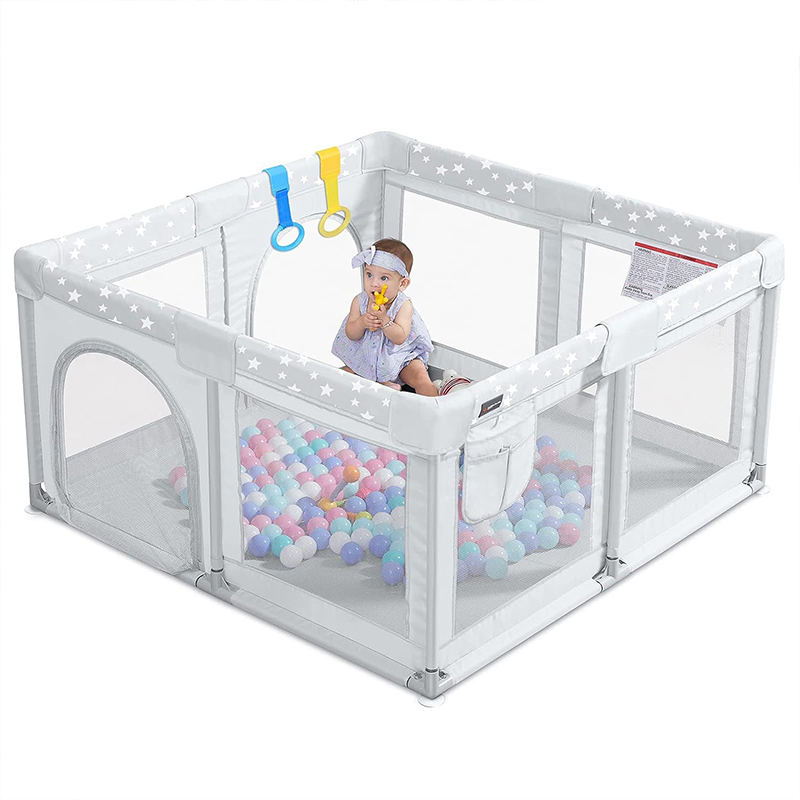
The portable small baby playpen is designed for parents seeking a compact and lightweight solution for on-the-go use. Whether traveling, visiting friends or family, or simply moving between rooms at home, this playpen offers a convenient and secure space for babies to play and rest.
Its portable design allows for easy transport and storage, while its sturdy construction and safety features ensure peace of mind for parents.
Despite its small size, this playpen provides ample room for babies to play and explore, making it an ideal choice for parents with limited space or frequent travelers.
| Product Features | Compact and lightweight design Collapsible design Made of 300D Oxford cloth With zippered door Built-in storage bag |
| Advantages | 1. Portable design is ideal for travel or on-the-go use 2. Compact size is suitable for small spaces or apartments 3. Easy to set up and fold down for quick assembly and storage |
| Disadvantages | 1. May not provide as much room for babies to move around compared to larger playpens 2. Some models may lack additional features like a bassinet or changing table |
Large Play Yard with a Mat
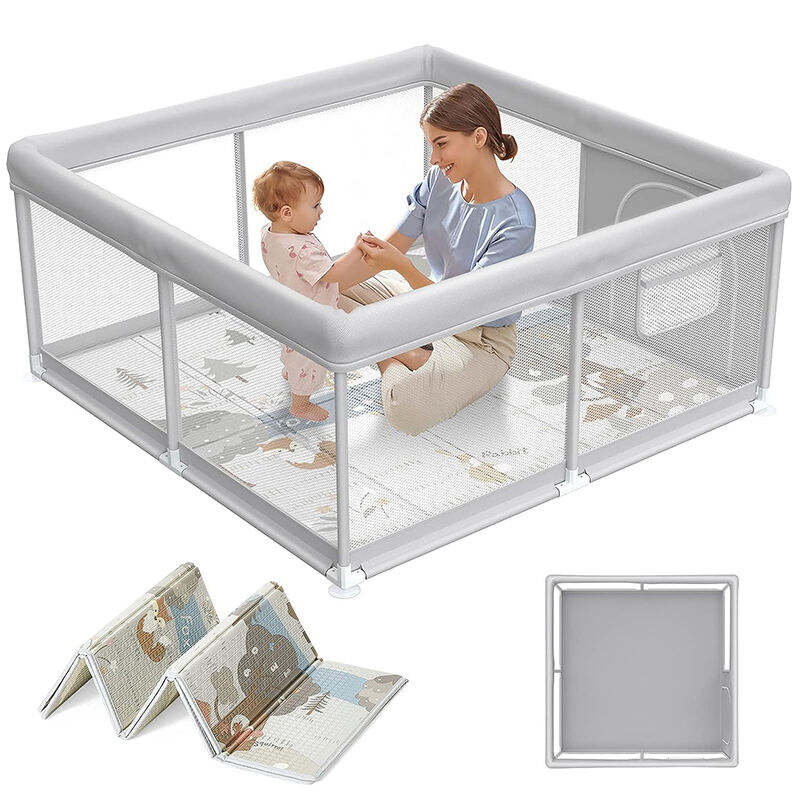
With its generous size and included mat, this baby fence provides ample room for babies to crawl, roll, and play freely. The durable construction and safety features ensure a secure environment for babies, while the soft and cushioned mat provides a comfortable surface for playtime.
| Product Features | Large play yard with ample interior space Comes with a cushion Use materials that are easy to clean Both the fence and the mat are foldable |
| Advantages | 1. Provides plenty of room for babies to play and explore 2. The included mat offers a soft and comfortable surface for playtime 3. The material is easy to clean, keeping the fence clean and hygienic |
| Disadvantages | 1. May take up more space 2 .ssembly and disassembly may require additional effort |
Modular Playpens
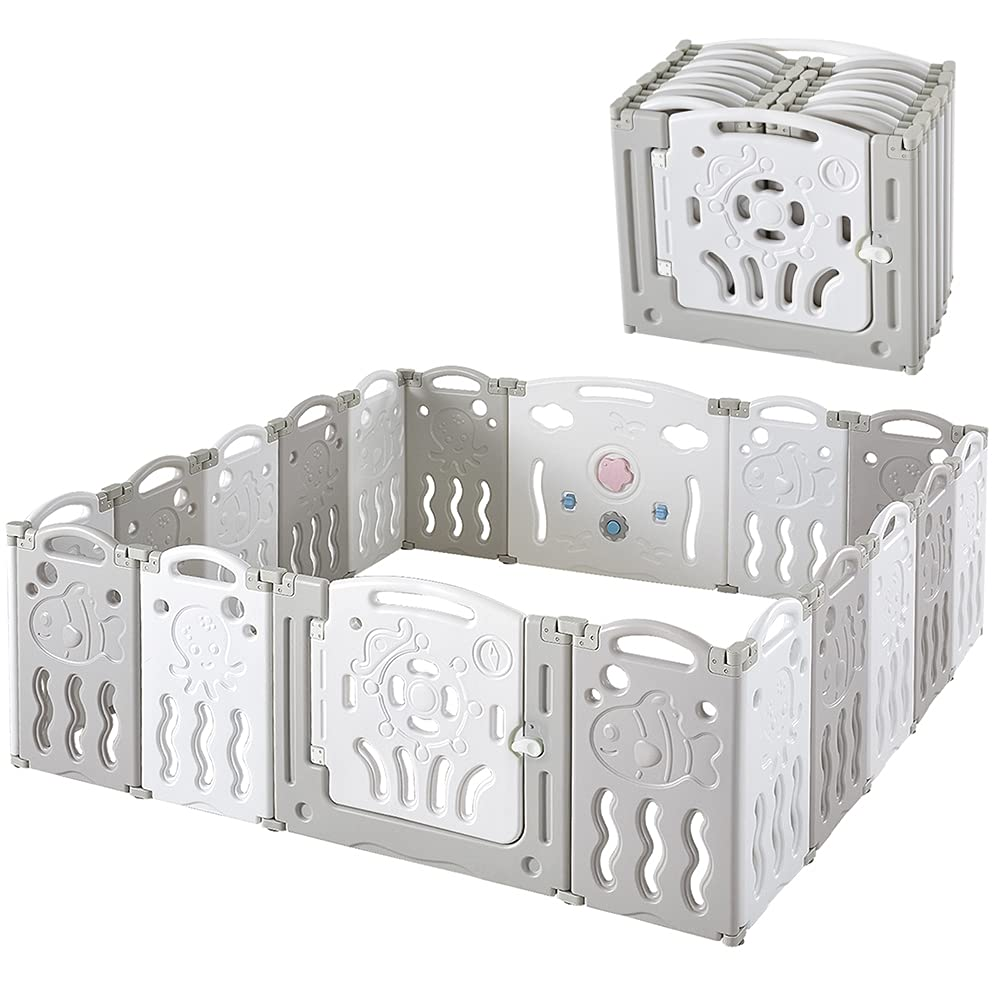
Modular playpens offer versatility and flexibility, allowing parents to customize the size and shape of the play area to fit their specific needs. With interchangeable panels, these playpens can be configured into various shapes, such as square, rectangle, or hexagon, to accommodate different room layouts or play preferences. The modular design also allows for easy expansion or contraction of the play area as needed.
| Product Features | Has removable modules Contains a safety locking mechanism |
| Advantages | 1. Offers flexibility to customize the play area according to needs 2. Allow for easy expansion or contraction of the playpen |
| Disadvantages | May take up more space |
What Age Is Best for Playpen?
A playpen can be used from when your baby is born until they are a toddler, from about 6 months to 2 and a half years old. The best time to use one is usually when the baby starts crawling (around 6 months) until they can stand well. In this stage, they are curious and moving more, but they cannot judge danger yet.
Introducing a playpen too early, before a baby has developed sufficient motor skills and strength to sit up, may not be as beneficial. Conversely, waiting too long to introduce a playpen may also limit its effectiveness. As babies become more mobile and curious, they may require more supervision and may not be content to stay in one place for long periods.
When your baby learns to climb out or push the pen over (often around 2.5 to 3 years old, or when they reach 35 inches in height), it is time to move to a more open, but fully child-safe, home.
Can a Baby Sleep in a Playpen Every Night?
The short answer is: It is not a good idea to use a standard playpen for sleeping every night. The key is to know the difference between a “Playpen” (just for play and short naps) and a “Play Yard” or “Portable Crib” (a travel bed). Many modern items are multi-use “play yards” that meet safe sleep rules (like a firm bottom and air-flow sides).
If the item is clearly marked as a “portable crib” that meets safety standards, and the mattress is thin and firm, then it can be used for safe sleep, including at night. But a normal playpen often does not have a hard mattress. Its main use is for safe play, and it should not be used as a place for nighttime sleep.
It is recommended not to let your child sleep in a playpen at night. Instead, provide a safe and comfortable sleeping environment in a baby bed or bassinet that meets safety standards and supports healthy sleep habits.
Factors to Consider When Choosing a Baby Playpen
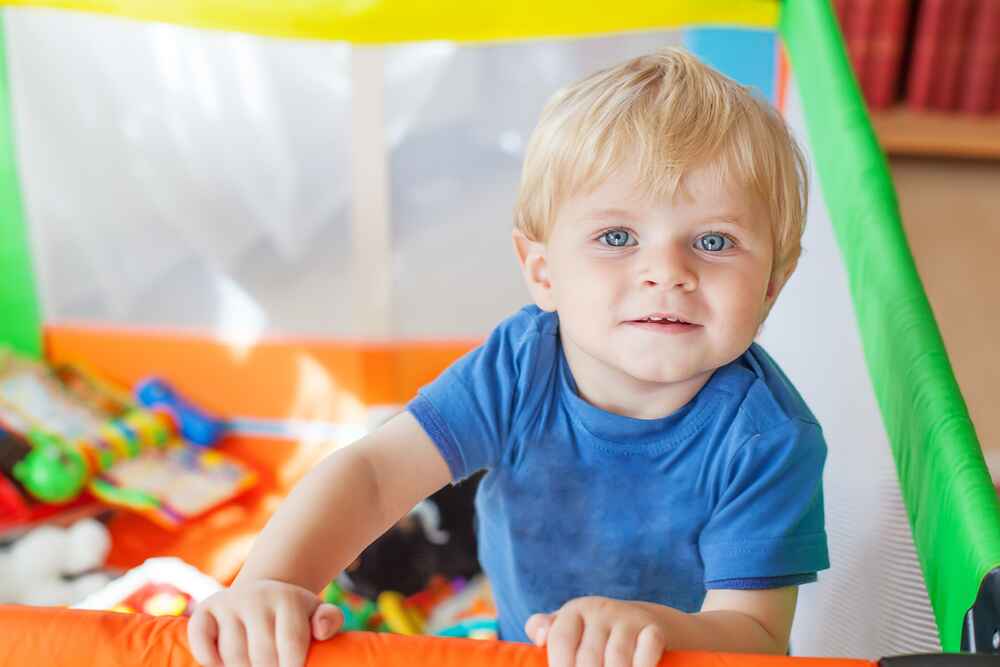
Safety Features: Sturdy construction, non-toxic materials, secure locking mechanisms, and mesh panels that provide good airflow and visibility.
Size and Configuration: For families with limited space or those who travel frequently, a compact, lightweight model may be ideal. Conversely, larger playpens can offer more space for play and may include additional features such as integrated toys or activity centers. Some playpens are adjustable or modular, allowing you to customize the size and shape to fit your space.
Ease of Cleaning: Opt for baby fences with removable, machine-washable fabric or easy-to-clean surfaces for quick and hassle-free cleaning.
Stability: Check the stability of the playpen, ensuring it has sturdy legs and a stable base to prevent tipping or wobbling, especially if your baby is active and may try to climb or pull on the sides.
Versatility: Consider whether you want a playpen with additional features such as a bassinet attachment, a changing station, storage poc.
How to Stop Baby Playpen from Moving?
As your baby gets stronger, they will soon find it fun to push the playpen around. This can harm your floor. More importantly, it can make the pen shaky or even tip over. Therefore, the following measures can be taken to prevent:
Use Anti-Slip Pads: Place pads made of rubber or silicone under the playpen’s four corners. These pads create enough grip to hold slick surfaces well.
Add Weight to the Bottom: Put a strong, washable rug or mat inside the pen. This helps spread the weight evenly on the bottom. It also lowers how much the pen can shake.
Anchor to the Wall: If the playpen has anchor points or loops for securing it to the wall, use safety straps or anchors to attach it firmly to the wall.
Place Against a Wall: Position the playpen against a wall or sturdy furniture to provide additional support and stability. This helps prevent the playpen from shifting or moving when your baby moves around inside.
How to Clean Baby Playpen?
A playpen is where your baby plays, snacks, and drools. Because of this, cleaning it often is very important. You can break down good cleaning into two parts: daily care and deep cleaning.
For daily care, just use a wet cloth and mild, non-toxic soap, and water. Wipe down the pen’s sides and top rails. Always wipe it clean with plain water to make sure no soap is left behind.
Deep cleaning takes more time, and we suggest doing it once a month. First, take off any fabric parts that can be removed, like pads or liners. Wash them in a machine as the maker suggests. For the mesh and plastic frame, you can use a small amount of white vinegar mixed with water (1 part vinegar to 4 parts water). This will clean germs and remove smells. This mix is safe and natural.
When you are done cleaning, always let the playpen air-dry fully to stop mold or bad smells from starting, especially in all the tight spots.
Tips for Using Baby Playpens Effectively
Regularly Rotate Toys: Keep your baby engaged by rotating the toys and activities available in the playpen. Include toys with different textures, colors, and sounds to stimulate their senses and encourage exploration.
Create a Comfortable Environment: Use a soft mat or padding on the floor to provide a cushioned surface for your baby to sit and play on.
Establish a Routine: Incorporate playpen time into your baby’s daily routine to help them become familiar with the space and develop a sense of routine and structure. it’s essential to balance playpen time with other activities and interactions throughout the day. Limit playpen sessions to short periods to prevent your baby from becoming overly reliant on it for entertainment.
Promote Independence: Encourage your baby to explore and play independently within the playpen. This helps foster their sense of independence and self-confidence as they learn to entertain themselves.
FAQ
Q: How do I set up a baby playpen?
A: Setting up a baby playpen typically involves unfolding the frame, securing any locking mechanisms, and adding any desired accessories or toys. Follow the baby furniture manufacturer’s instructions carefully to ensure proper assembly and safety.
Q: How Long Can a Baby Stay in a Playpen?
A: The duration a baby can stay in a playpen varies depending on their age, mobility, and level of contentment. It’s important to monitor the baby for signs of restlessness or discomfort and to balance playpen time with other activities and interactions.
Q: How can I prevent my child from climbing out of the playpen?
A: To prevent your child from climbing out of the playpen, choose a playpen with high sides or mesh panels that are difficult to climb, remove any objects or toys that could be used for climbing, and supervise your child closely while they are in the playpen.
Q: Can Playpens Be Used Outdoors?
A: Many playpens are designed for both indoor and outdoor use, featuring durable materials and UV protection. However, ensure the playpen is placed on a stable surface and in a shaded area to protect the baby from direct sunlight and heat.
Q: Are there any alternatives to baby playpens?
A: Yes, alternatives to baby playpens include using baby gates to create a safe play area in a room, using a large blanket or mat on the floor for supervised play, or baby-wearing to keep your child close while you move around the house.
Conclusion
The baby playpen is a powerful tool in modern parenting. It balances your baby’s safety with your freedom. By knowing its right use, choosing a pen that meets strict safety rules, and following our tips for cleaning and good use, you can turn the pen into a positive space that helps your baby’s spirit grow. Always remember that safety comes first. Make smart choices and enjoy the peace and quiet you have earned.
About the Author
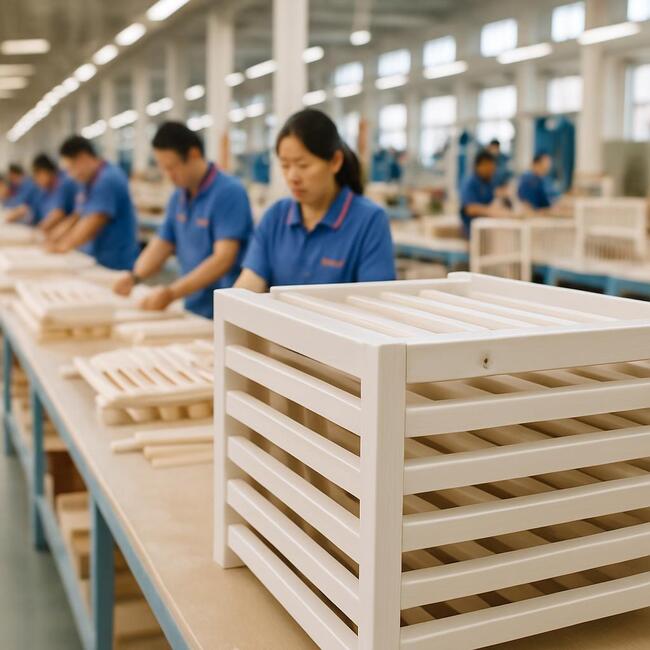
This guide is from Clafbebe, a professional baby furniture manufacturer and exporter with over a decade of dedicated industry expertise. We partner with global brands, using our masterful production techniques to build practical, high-quality products. Our mission is to provide safe, reliable growth solutions, allowing our partners to confidently lead the market.
Recommended Related Articles: