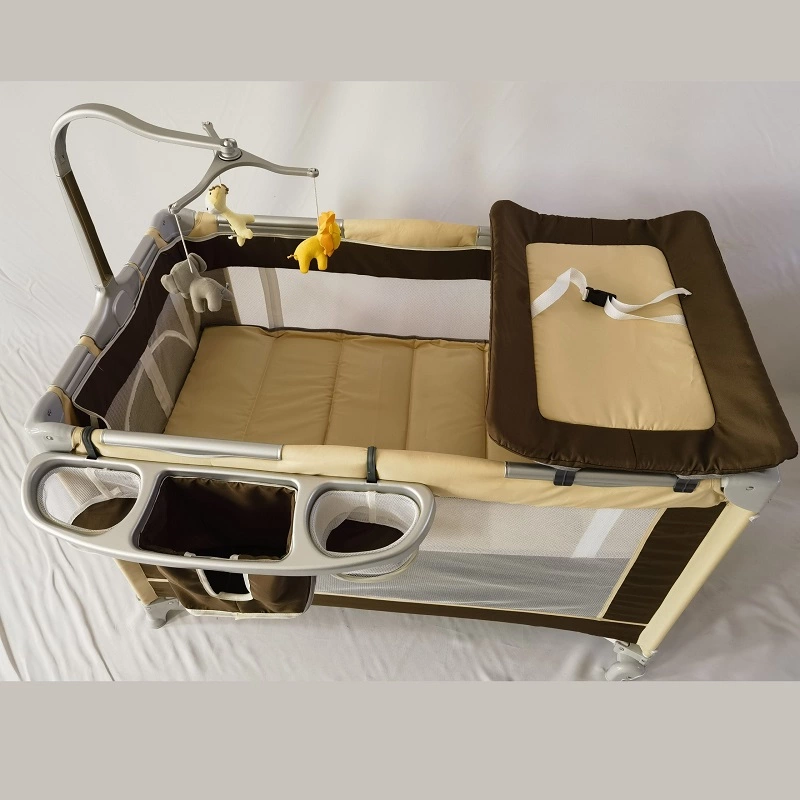
Every parent loves the convenience of a pack and play. It is a nursery on the go, a safe spot for naps, and a portable play area. But there is one question that often gets ignored until the baby starts growing fast: “When is my child too big for this?” Understanding weight limits is not just about following a manual. It is about keeping your little one safe from structural failures that you might not see with the naked eye.
On today’s blog, we discuss common pack and play weight limits, why they matter, and how to transition little ones through different stages of using a playard. We also highlight ideal alternatives that are suitable for babies who have outgrown their playards.
Why Pack and Play Weight Limits Matter for Baby Safety?
You might look at your pack and play and think it feels solid. The metal tubes and plastic joints seem like they can hold a lot of weight. However, these products are designed with specific “stress points.” Each manufacturer tests its design to determine how much weight the pack and play can safely support without compromising the wellness of the baby.
When a child goes over the weight limit, the frame begins to suffer from mechanical fatigue. It does not always snap instantly; instead, the joints loosen over time, making the entire structure unstable.
In addition, a sagging bottom can compromise the sleep safety of a pack and play, increasing the risk of suffocation if the baby no longer has enough room to move or turn safely while sleeping.
Lastly, weight limits help prevent falls. As kids get heavier, they also get taller and stronger. A heavier child can put enough weight on the top rail to tip the whole unit over if they lean too far. Manufacturers set these rules to make sure the center of gravity stays low and stable.
What is the Weight Limit of a Pack and Play?
The weight limits of the pack and plays vary between different models. However, most models have weight limits ranging between 25 to 35 pounds. Here are the weight limits for pack and plays for some popular brands on the market.
| Brand | Weight Limit |
| 4moms Breeze Plus Playard | 30 pounds |
| Guava Lotus Travel Crib | None (it is a floor mattress design, therefore, the weight does not rest on the pack and play’s structure but it has an age limit of 3 years) |
| Nuna Sena Aire Playard | 33 pounds |
| Graco Day2Dream | 32 pounds |
| UppaBaby Remi | 35 pounds |
Weight Limits for Different Parts of the Pack and Play
Most parents think of a pack and play as a single piece of furniture. In reality, it is often a 3-in-1 system. Each part of that system has its own specific limit. Using the main play yard floor for a 30-pound toddler is safe, but putting that same toddler on the elevated bassinet level could lead to a scary accident.
To make things easy, here is a quick breakdown of the standard weight limits you will see across most top brands.
| Feature | Weight Limit (Approx.) | Typical Age/Stage |
| Infant Bassinet | 15 lbs (6.8 kg) | Until baby pushes up on hands/knees |
| Changing Table | 15 – 25 lbs (6.8 – 11 kg) | Varies by model |
| Main Play Yard | 30 lbs (14 kg) | Up to 35 inches tall |
How to Check for Specific Weight Limits?
It is advisable to find out the specific weight limit of a playard before purchase. This may help you determine whether it is worth investing in and how long your baby can use it. However, even if you already have one in your home, it is vital to check the set limit so that you can adhere to it.
Some manufacturers indicate the weight limits of their playards right on the packaging. Alternatively, if it is not on the packaging, look for it on:
- The labels – some manufacturers include labels on the fabric part of playards.
- The manual – most playards come with manuals that provide detailed and even illustrated user instructions as well as recommended weight limits.
- Manufacturer Websites – if you can not find the weight limits for a playard on its labels, manual, or packaging, look up the playard on the manufacturer’s website. The weight limit should be under the product’s specifications.
What Factors Affect Pack and Play Weight Limits?
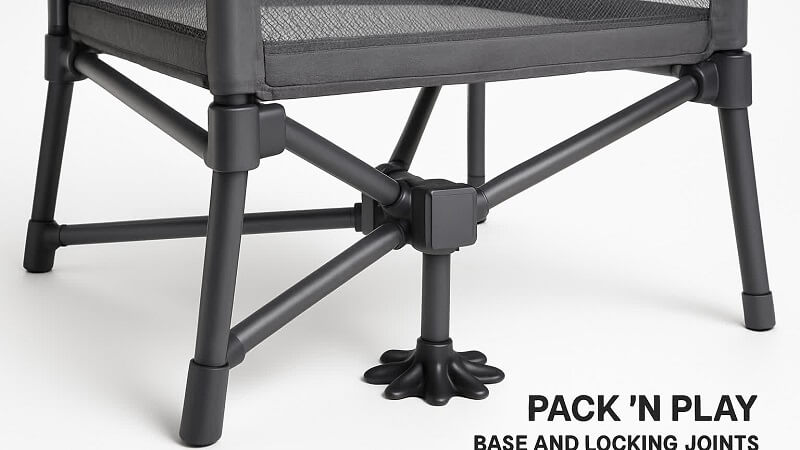
Why do some units feel flimsy while others feel like tanks? The weight limit is mostly decided by three things: materials, joints, and the base design.
First, the frame material is key. Most standard models use lightweight steel tubing. It is great for travel, but has a clear bending point. Premium models might use thicker walls in their tubing or high-grade aluminum alloys that offer more strength without adding too much weight. If the metal is thin, it will bow under a heavy child, which weakens the whole structure over time.
The second factor is the “locking mechanism.” Every pack and play has joints that fold. These joints are the weakest links. If the plastic used in these hinges is cheap or recycled, it can become brittle. High-quality manufacturers use virgin plastics and reinforced rivets to make sure the rails do not collapse when a toddler leans on them.
Finally, look at the feet. A play yard with a center support leg is almost always safer and has a more reliable weight capacity. Without that center leg, the floor of the unit can sag toward the middle. When the floor sags, it pulls the side walls inward, which can cause the entire unit to fold while the baby is inside. A flat, supported base is what keeps those weight limits high and the baby safe.
What are Pack and Play Dimensions?
Pack and play dimensions refer to the length, width, and height measurements of a pack and play. Most manufacturers base their dimensions on user needs and baby product safety regulations set by jurisdictions like the US and the EU.
Playard safety standards in most jurisdictions, for example, stipulate that the height of a pack and play should not exceed 35 inches. Most pack and plays, therefore, measure either 35 inches or less in height.
Length and width are less bound by regulations and thus vary more between models. However, the average length for most models measures about 39 inches and above, while the average width of most pack and plays is approximately 28 inches and above.
You will also find “Mini” or “Travel” versions. These are often 24 inches by 38 inches. While they save space in a small hotel room, they usually have lower weight limits because the frame is smaller.
When Should You Lower the Pack and Play Mattress?
Many pack and plays come with a “bassinet” level. This is the raised floor that saves your back during those first few months. But many parents wait too long to move the mattress to the bottom.
The rule is simple: as soon as your baby can push up on their hands and knees, the bassinet is no longer safe. This usually happens around 3 to 5 months old, long before they hit the actual weight limit.
When the mattress is high, the side walls are short. A baby who can sit up or crawl can easily tumble over the side. Once you see your little one trying to pull themselves up, it is time to make the switch. Putting the mattress on the floor of the unit gives them the full height of the mesh walls to keep them contained.
Signs Your Child Has Outgrown the Pack and Play
Lowering the mattress of a pack and play allows your child to enjoy it a little longer. However, they will still begin to outgrow it as they get older, and it is crucial to spot the signs so that you can transition them to more age-appropriate alternatives.
Let’s take a look at what signs to look out for, shall we?
Height Disparity
The most common rule used by safety experts is the 35-inch height limit. Once your toddler reaches this height, the distance between the mattress and the top rail is too short. At this point, even a calm child can accidentally lean over and tumble out.
Mobility
Watch for the “Escapologist” moves. If you walk into the room and find your toddler with one leg hooked over the top rail, the pack and play is no longer a safe zone. Climbing is a major red flag. Toddlers are stronger than they look. They can use the corners of the mesh or even a small toy left in the bed as a step-stool. If they are actively trying to climb out, the risk of a head-first fall is very high.
Structural Issues
When your child stands in the center, does the floor touch the ground? Does the frame make creaking noises when it moves? These are signs of structural stress. Even if the manual says they have 5 pounds left to go, a noisy or sagging frame is a sign that the materials are reaching their limit. Trust your eyes and ears over the printed numbers when the product starts showing wear.
Safe Sleep Alternatives After a Pack and Play
Toddler Beds
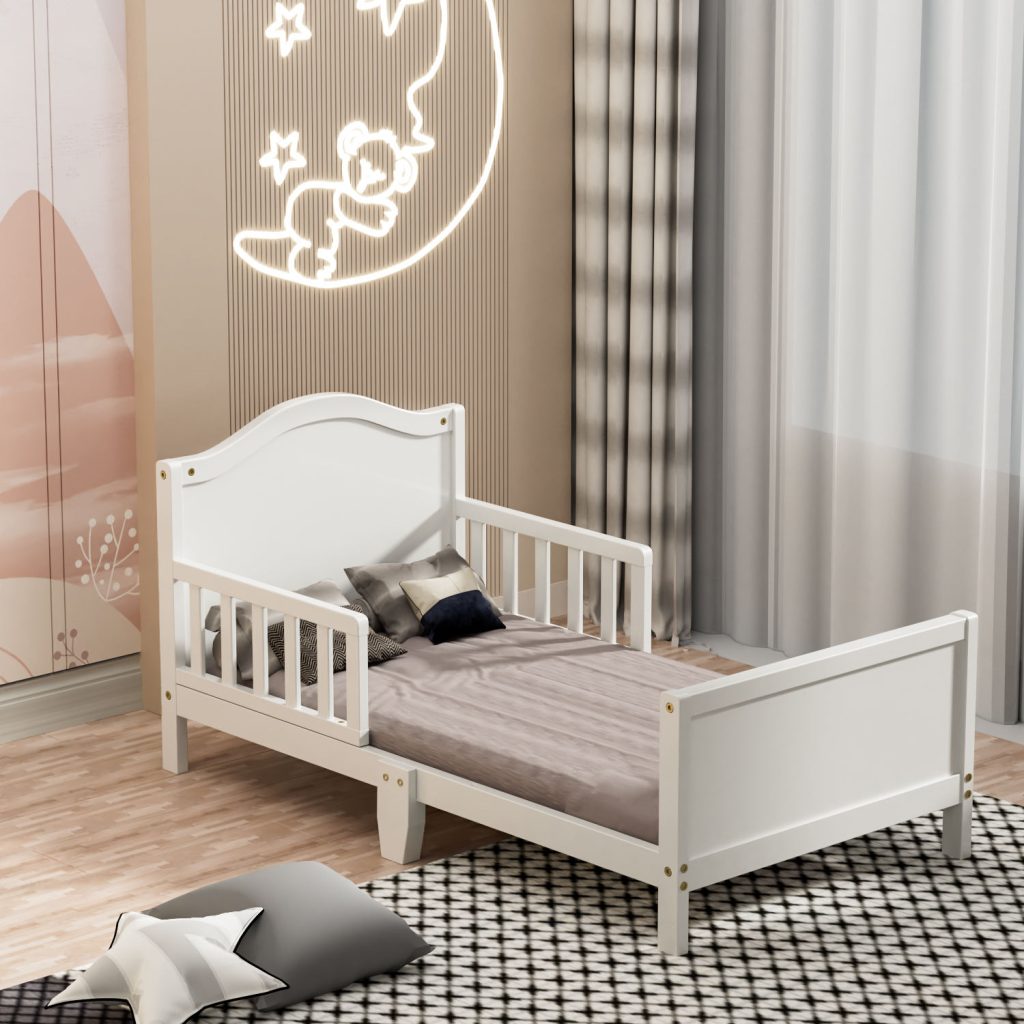
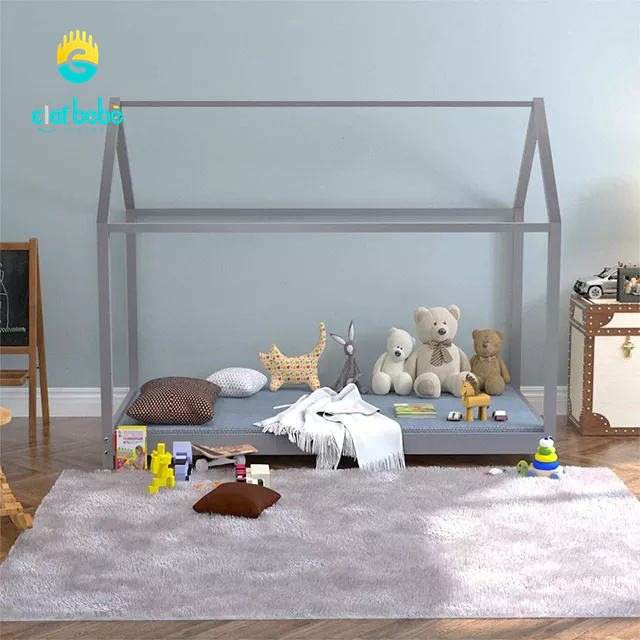
So, the pack and play is packed away. Where should your baby sleep now? The most natural step is moving to a toddler bed. These beds are low to the ground and use the same mattress size as a standard crib. This makes the switch less scary for the child because the feel of the bed stays the same. Many toddler beds also come with built-in side rails to stop them from rolling out during the night.
Inflatable Toddler Travel Bed
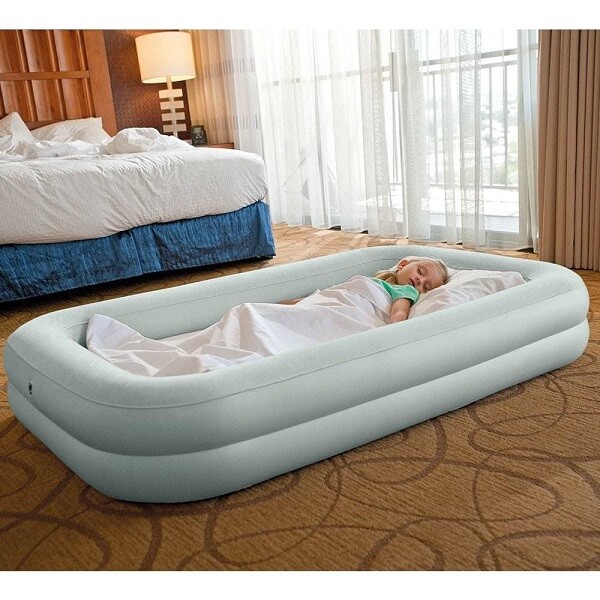
If you are traveling and cannot bring a heavy bed, consider an inflatable toddler travel bed. These have raised “bumpers” on the sides to keep the child centered. They are much lighter than a pack and play and have no weight limit because they sit directly on the floor.
Floor Bed
Another great choice is a simple floor mattress or a “Montessori” style bed. It typically has a frame and a base to support the mattress. The base rests on the floor, hence the name ‘floor bed‘. The idea behind this bed originates from the Montessori method, which advocates for children to have more autonomy to explore in a safe environment.
Common Myths About Pack and Play Weight Limits
Common Myths Debunked
Myths surrounding pack and plays are misleading and can steer you to use them incorrectly and have a negative impression of them. So, for safety, let’s debunk a few of those common myths, shall we?
Misconception 1: Height is Not as Important as Weight
Fact Check: Contrary to common opinion, the weight and height limits are both important. If a child exceeds just one of them then it is safe to say that they have officially outgrown the pack and play and should stop using it.
Misconception 2: Pack and Plays Have the Same Weight Limits
Fact Check: Each pack and play model has its set weight limits that users should check and adhere to. Even different models of pack and plays from the same manufacturer can have different weight or height limits. Parents and caregivers should, consequently, treat each model uniquely.
Misconception 3: It is Okay to Disregard Limits as Long as the Child is Small
Fact Check: Children develop both in size and capabilities. A child can, for instance, be small but able to sit up and fall off a bassinet. Age, weight, and height limits factor in such details and you should, therefore, not ignore them.
Expert Opinions on Pack and Plays
One of the most important issues to note about pack and plays is that professional pediatrician bodies, like the AAP, endorse them as safe sleep areas for children.
Pediatric experts, however, insist that:
- Parents should keep them clutter-free, this includes removing toys, blankets and similar items when children sleep in them.
- Parents should use the right mattress for the pack and play and it should be firm.
- Parents should follow weight and height limits religiously.
Conclusion
Quality pack and plays can be a great solution for families because they offer great value for money, safe sleeping, portability, and multiple functions.
Keeping your baby safe in a pack and play is about more than just reading the box. It is about watching how they grow and respecting the physical limits of the materials. Once your child hits 30 pounds, reaches 35 inches in height, or starts trying to climb out, it is time to move on to a toddler bed. Safety should always come before convenience.
Clafbebe pack and play units balance great functionality with the highest safety standards. We test each design rigorously to ensure it meets international quality and safety requirements. Contact us at any time for a quote, customization requests, or any other inquiries.
About the Author
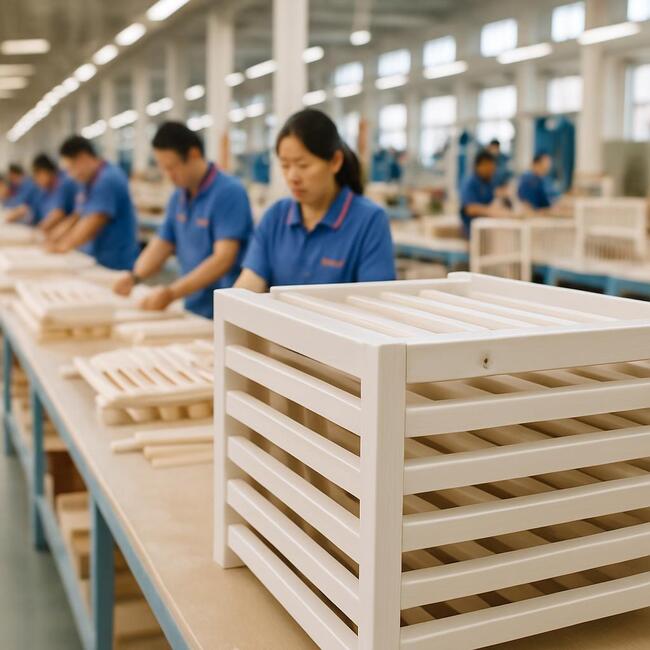
This guide was brought to you by the expert team at Clafbebe. As a premier manufacturer and global exporter of high-quality baby furniture, Clafbebe combines traditional craftsmanship with modern safety science. We understand the stress points of every bolt and the strength of every mesh panel. Our mission is to provide parents and B2B partners worldwide with durable, reliable, and beautifully designed solutions that meet the highest international safety standards.
Recommended Related Articles: