Choosing a bed for your child is one of the most stressful parts of being a parent. For many, the traditional crib feels like the only safe option. But what about the Montessori bed? With its floor-level design, many parents immediately ask: Is it safe to use a Montessori bed?
This is a valid, important question. The common fear is that this open design invites dangers that a traditional crib’s high rails prevent.
The honest answer is that a Montessori bed, rooted in Maria Montessori’s respect for independence, is safe—but only if the surrounding environment is ready. This shifts the core safety question from “Does the bed contain my child?” to “Is the room safe for my child?”
Features and Design Elements of Montessori Beds
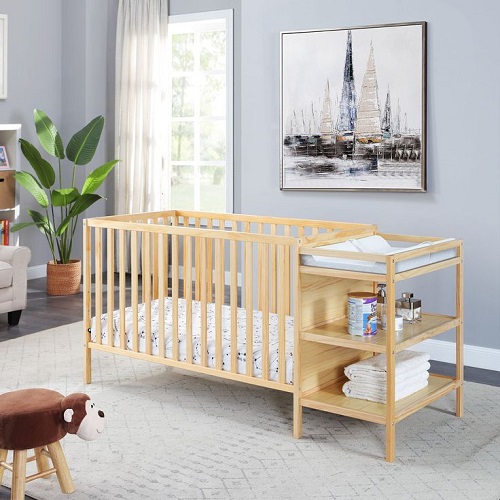
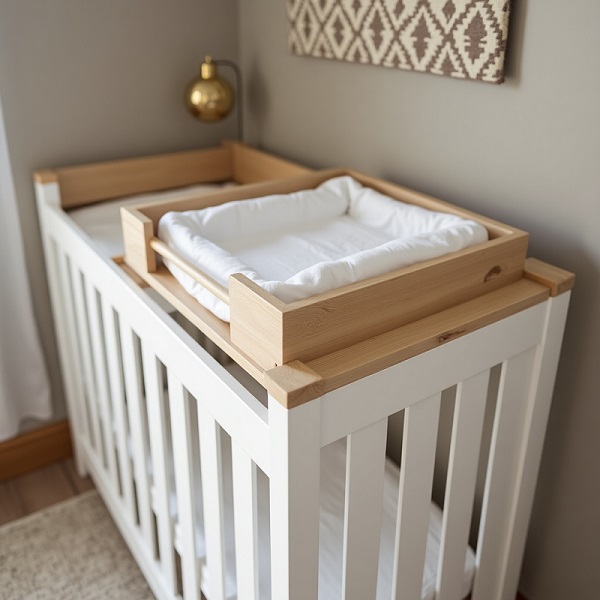
The Montessori approach to childhood development focuses on respecting the child as an independent person. The Montessori bed is a direct physical expression of this philosophy. It moves away from the traditional crib design—a design that essentially locks a child in—and instead offers three core elements that promote early independence.
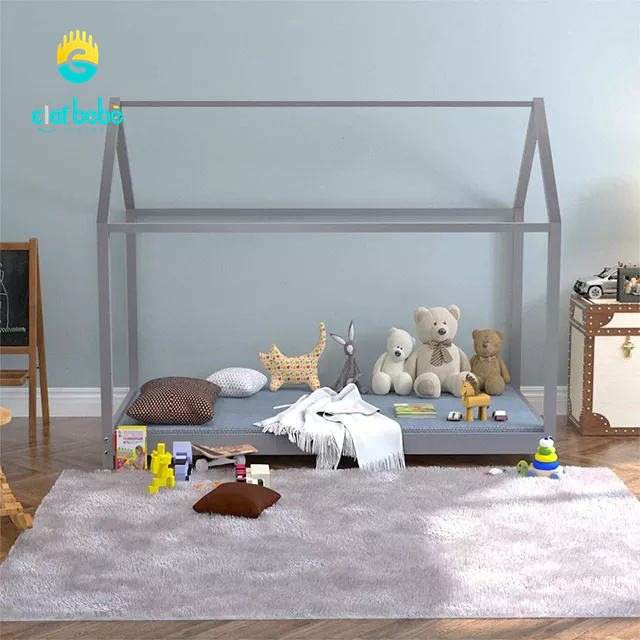
First, the most recognized feature is its low or floor-level design. By placing the mattress directly on the floor or on a very low frame, the bed eliminates the fall risk associated with high-sided beds.
Second, the bed offers open access. There are no rails to climb over. This allows children to get in and out of bed whenever they choose, fostering a sense of autonomy. They learn to listen to their own bodies.
Third, Montessori beds have a simple, minimalist structure. They usually feature natural materials, like solid wood, with clean lines and no unnecessary decorations that could pose a safety or distraction risk.
What Are the Pros and Cons of Using a Montessori Bed?
Traditional beds are designed from an adult’s perspective, but Montessori beds consider the child’s perspective and their developmental stage. These beds cater to the child’s small stature and limited motor skills, ensuring that they can use their bed safely and confidently.
Choosing a Montessori bed is a major decision that impacts your child’s independence, but it’s not without its trade-offs.
While the philosophy behind the floor bed is compelling, parents must weigh the practical benefits against the new set of challenges that this design introduces. Before deciding, take a moment to look at this balanced comparison of the core pros and cons.
| Feature | Pros | Cons |
| Independence & Development | Promotes Autonomy: The child can leave and return to bed independently, fostering self-reliance and self-regulation from a young age. | Requires Vigilance: Requires parents to be very disciplined about child-proofing the entire room, as the child has free access to the space. |
| Safety | Eliminates Fall Risk: Because the mattress is low to the ground, the physical risk of falling is nearly zero. | Environmental Dependency: The main danger shifts from “falling out of bed” to “hazards around the bed” (e.g., loose wires, unstable furniture). |
| Longevity | Easy Transition: Offers a seamless move from the floor bed to a standard single bed later on, reducing the need for intermediate furniture. | Aesthetic / Style Fit: The low-profile design may not fit every home’s aesthetic, often requiring a commitment to a minimalist style. |
Can Babies Climb out of a Montessori Bed?
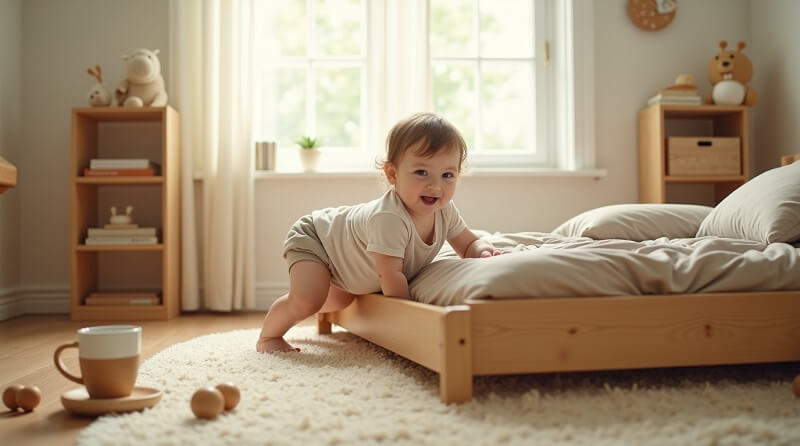
The short answer is yes—and that’s exactly the point. Unlike a traditional crib, which is designed to physically contain the child, a floor bed is designed to grant them the freedom to move. The real question is: Does this freedom compromise their safety?
For many parents, the idea of their child being able to leave the bed unsupervised is terrifying. But let’s shift the focus. The floor bed is so low that the risk of a serious fall or injury from climbing out is almost zero. The physical risk doesn’t come from the height of the bed; it comes from what the child encounters after they leave the bed.
When you choose a floor bed, your job shifts from monitoring a crib rail to creating a completely secure environment. The key safety points to remember are:
- The Physical Fall Risk is Minimal: A baby rolling or crawling off a mattress on the floor is similar to rolling onto a mat during playtime. The distance is negligible.
- The Environmental Risk is High: Since your child can exit the bed at any time, the entire room must function as a “crib.” This means rigorous child-proofing is mandatory.
- Encouraging Self-Regulation: By giving a child the choice to leave the bed, they quickly learn to respond to their own tiredness cues, which actually promotes better sleep habits over time.
A Critical Note on Infant Safety
While the floor bed promotes independence, it is generally not recommended for very young infants. The ideal age for transition is often debated, but infants who lack the motor skills to intentionally move away from a wall or roll over reliably should not use a floor bed unsupervised.
The low height means that a few-month-old baby who accidentally rolls off might struggle to get back onto the bed, and they lack the developmental awareness to safely navigate the room. The Montessori bed’s design is intended for children who can actively choose to explore, not for passive containment of a baby who has not yet developed mobility and consciousness.
Applicable Ages for Montessori Bed
One of the most common questions is: When is the right time to start using a Montessori floor bed? The answer is less about a specific calendar date and more about developmental readiness and safety. A floor bed is designed for children who can exercise their independence safely. Based on a child’s motor and cognitive development, we can break down the applicable ages into three phases:
- Newborn (0–6 Months): Not Recommended. As discussed before, a newborn lacks the ability to roll over consistently or move intentionally. For safe sleep standards, a traditional crib or bassinet is generally the safest option to prevent suffocation or rolling into a wall/hazard.
- The Transition Period (6–18 Months): Possible with High Vigilance. If you introduce a floor bed at this stage, it must be with extreme caution. The child is beginning to crawl and explore but still lacks judgment. Parents must ensure 100% child-proofing of the room.
- The Optimal Period (18 Months and Up): Highly Recommended. By this age, toddlers usually have the mobility and awareness to choose whether they are tired or want to play. This is when the philosophy of the floor bed truly begins to benefit them, as they can safely exercise autonomy.
From Crib to Floor Bed: The Best Time for Transition
While the 18-month mark is a good guideline, the best time for transition is behavioral, not numerical. You should look for clear signals that your child is ready for more independence.
The most critical signal is when the child attempts to climb out of their crib. Once a child can climb out of a traditional crib, that crib is no longer a safe option due to the height risk. Moving to a floor bed at this point eliminates the major falling danger and gives them a safe outlet for their growing need for independence.
How to Help Children Adapt to Sleeping in a Montessori Bed?
Transitioning from a crib to a floor bed is a big change, and the first few nights might feel like a new level of parenting challenge. The key to a successful shift is patience and a consistent routine. Remember, your child is learning a new way to interact with sleep and their environment. Here are practical steps to make the adaptation smooth and effective:
Start with Naptime: Introduce the floor bed for short naps first. This allows your child to explore the new sleeping arrangement in a lower-stakes situation and associate it with rest, not confusion.
Maintain Routine: The transition should only involve the bed. Keep the rest of the bedtime routine—bath, story, lullaby—exactly the same. Familiar routines provide security during periods of change.
Minimize Bedroom Stimuli: For the first few weeks, remove all highly engaging toys from the room. The goal is for the child to learn that when they leave the bed, the room offers little excitement, encouraging them to return to rest.
Designate a ‘Sleep Corner’: Keep the bed in a clear, specific corner of the room. This visual cue helps the child understand where the “sleep zone” is, even if they can now move freely around the room.
Stay Calm and Consistent: If your child gets up repeatedly, gently and quietly walk them back to the bed. Avoid long conversations or showing frustration. Consistency teaches them the new boundary without making it an attention-seeking game.
How Can I Create a Safe Montessori Bedroom Environment?
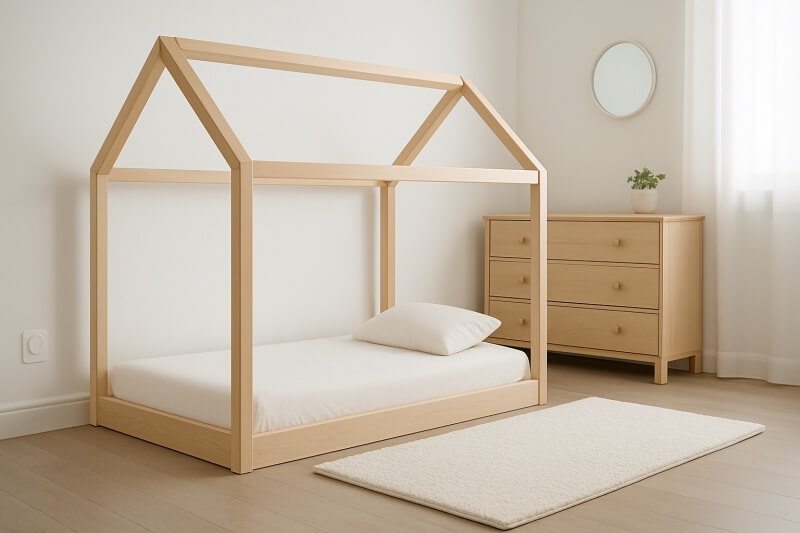
This is the most critical question when considering a floor bed. As we’ve established, the safety of the Montessori bed is entirely dependent on the safety of the room. Moving to a floor bed is not just a furniture swap; it’s a commitment to making the child’s room a genuinely safe space for exploration.
Child-Proofing is Not Enough, It’s About ‘Yes Spaces’
Traditional child-proofing is about putting up barriers: locking cabinets, covering sharp corners, and installing gates. The Montessori approach, on the other hand, aims to create a “yes space.”
A “yes space” is an environment where every single item the child can reach or interact with is safe, purposeful, and developmentally appropriate. In a yes space, the child can act independently without constant parental intervention or the parent having to say “No.”
Furniture and Material Selection
The furniture and materials you choose are the foundation of your “yes space.” When you shop, don’t just look for “baby furniture”; look for materials and construction that meet the highest international safety standards. Safety starts at the molecular level, in the glues, finishes, and wood used.
- Prioritize Non-Toxic Materials: Look for solid wood and finishes that are low-VOC (Volatile Organic Compounds) or certified non-toxic.
- Focus on Stability and Structure: All furniture, especially dressers or shelves, must be anchored to the wall using anti-tipping kits. Check every piece for sharp edges and structural stability, including the floor bed frame itself.
Eliminating Hazards and Distractions
Since your child can now roam freely, there are a few non-negotiable safety checks that must become permanent features of the room:
- Cord and Wire Management: All electrical cords, window blind strings, and device cables must be completely inaccessible. Use cable management boxes or tape them securely behind anchored furniture.
- Secure Heavy Items: Ensure all lamps, picture frames, and wall decorations are securely fastened. Anything that can be pulled down by a curious toddler needs to be removed or anchored.
- Use Buffer Flooring: Place a thick, soft rug or play mat directly next to the floor bed. While falls from a floor bed are minor, having a soft landing surface provides an extra layer of comfort and protection.
- Safety Gates at the Door (Optional but Recommended): While the room is a “yes space,” a gate at the doorway can be useful to prevent the child from leaving the room and accessing stairs or other unsecured areas of the house during the night.
FAQ
How Long Can a Child Use a Montessori Bed?
A child can use a Montessori bed for as long as it remains comfortable and meets their needs. Some designs grow with the child and can be used for several years.
Do Montessori Beds Require Special Mattresses?
Montessori twin beds typically use standard-sized mattresses, but it’s important to ensure there are no gaps between the mattress and the bed frame. Mattresses should fit snugly to prevent any risk of entrapment.
Are Montessori Beds Safe for Newborns?
Montessori beds are generally not recommended for newborns. It’s best to wait until the baby is older and has outgrown their bassinet or co-sleeping arrangement before transitioning to a Montessori bed.
Do Montessori Beds Come in Different Sizes?
Yes, Montessori beds are available in various sizes to accommodate different age groups and room sizes. Common sizes include toddler beds, twin beds, and full-size beds, but custom sizes can also be made to fit specific needs.
Do Montessori Beds Require Special Bedding or Accessories?
Montessori beds do not necessarily require special bedding or accessories, but parents may choose bedding and decor that align with Montessori principles, such as natural materials, neutral colors, and minimalist designs. Floor cushions, low shelves, and soft rugs can also complement the Montessori sleeping environment.
Conclusion
The question of “Is it safe to use a Montessori bed?” ultimately depends on the answer to a different question: “Is your child’s room safe?” The Montessori floor bed, by design, eliminates the high-fall risk of traditional cribs and empowers your child with independence.
However, this shift places the safety responsibility on the entire bedroom environment. By focusing on non-toxic materials, securing all furniture, and embracing the “yes space” philosophy, you are not just choosing a bed; you are investing in your child’s autonomy and secure development.
Recommended Related Articles: